Hacking Apartment Wallpads: From RS485 Packet Sniffing to Ventilation (Fan) Reverse Engineering
Anchored by two USB dongles (RS485 & Zigbee) on a Home Assistant host, here is how I sniffed an apartment's closed serial bus and reverse-engineered an undocumented 8-byte ventilation protocol.
Related Articles
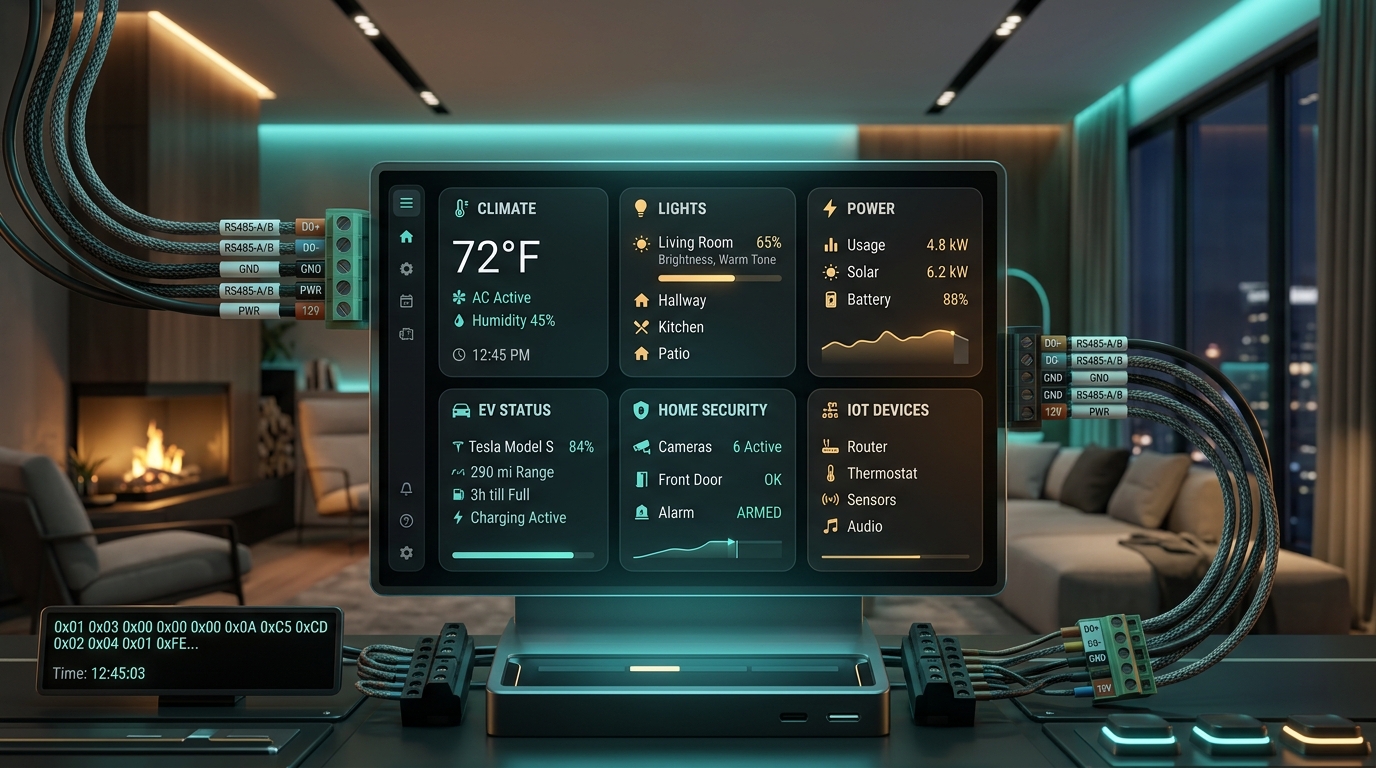
Reverse Engineering RS485 Wallpad to Bento UI: How AI Powered My Home Assistant Overhaul
From sniffing raw RS485 serial frames to permanently curing the cold-reboot USB port mismatch bug and crafting a modern Bento Grid dashboard with AI pair programming.

Beyond the Romance of the Terminal Cockpit: Why I Migrated from Herdr + CLI to Antigravity Desktop App
From an architecture comparison of Herdr Remote vs Antigravity Remote Control, to overcoming terminal screen freezing (Stale Overwrite) and SQLite race conditions with an orchestration script, here is how I settled into a unified Agentic GUI IDE.

From Vercel to Cloudflare Pages: Migrating a Next.js 15 Blog to Static Edge Hosting
Stripping away the hidden complexity of serverless functions to bake Next.js 15 into pure static HTML on Cloudflare's global edge network.
© 2026 HEISENBUG. All rights reserved. Unauthorized reproduction or redistribution is strictly prohibited.
This article reflects personal experiences and opinions as of the date of publication.
Table of Contents
- Hacking Apartment Wallpads: From RS485 Packet Sniffing to Ventilation (Fan) Reverse Engineering
- 1. The Two Pillars of My Smart Home: Wired RS485 and Wireless Zigbee
- 2. Hardware Setup: Tapping into the Wallpad Wiring
- 1) Unmounting the Wallpad
- 2) Wiring the USB-to-RS485 Converter
- 3. Real-Time Packet Sniffing: Finding Patterns in Hexadecimal Noise
- wallpad_dump.py: Sniffing raw serial frames
- 4. Frame Dissection: Reverse-Engineering the Undocumented Ventilation Unit
- 1) Ventilation Control Command Structure (0x78 Header)
- 2) State Report and Acknowledgment Frames (0xF6 / 0xF8 Header)
- 5. Building the Bridge: From Node.js SerialPort to MQTT
- mqtt.yaml excerpt: Native fan entity configuration
- 6. Epilogue: The Joy of Unlocking Closed Systems
Comments